5 min read · Updated
Plush toys vs PVC figures: which is right for your merchandise?
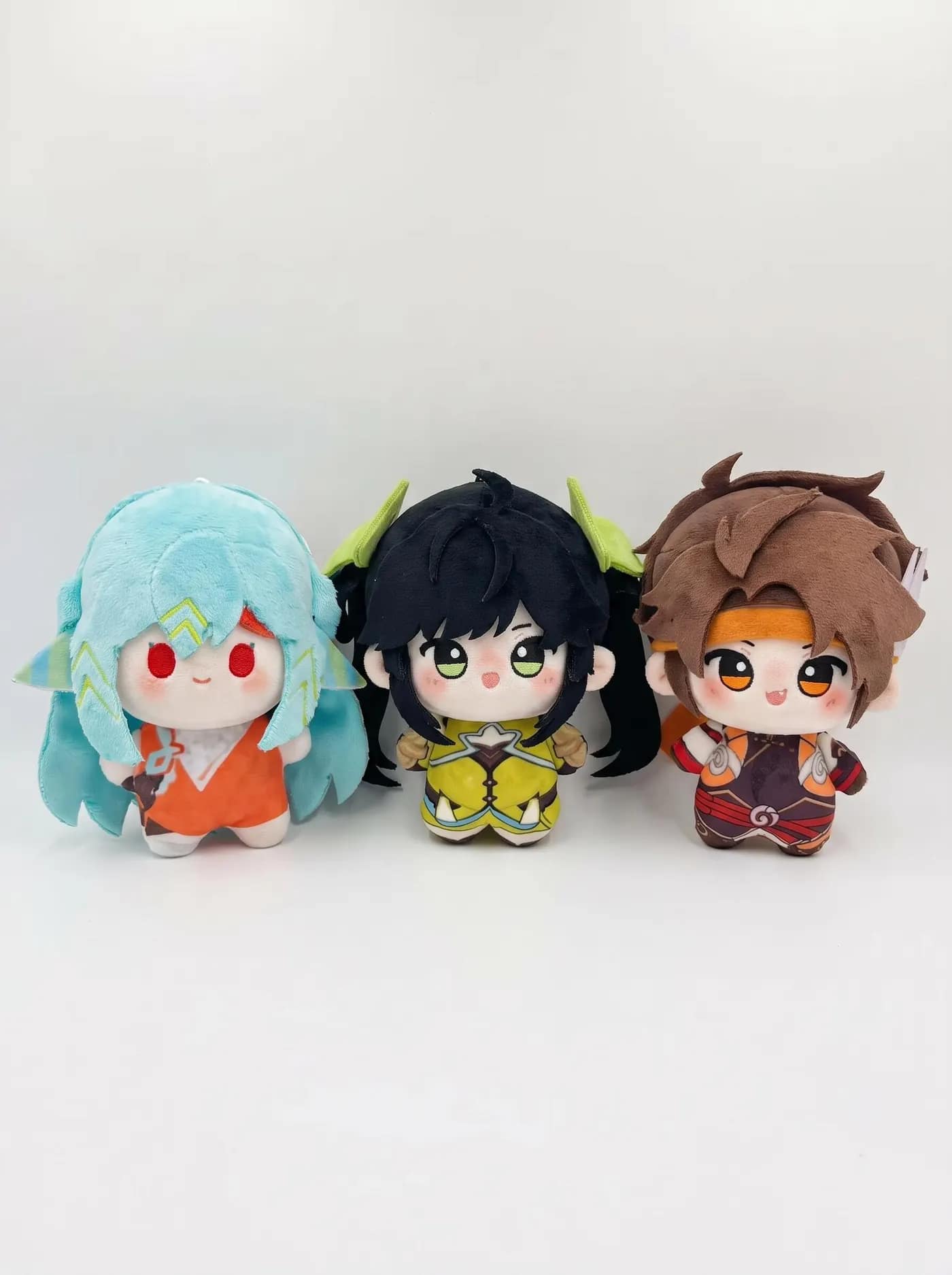
Plush toys need no hard tooling, so they suit smaller first orders from about 100 pieces. PVC figures need a steel or aluminium mould, so they make sense from about 500–1,000 pieces but offer sharper detail and a lower unit cost at scale. Many brands launch with plush and add figures once a character proves popular.
Upfront cost and MOQ
Plush tooling is essentially a paper pattern and embroidery files, so the barrier to entry is low. PVC figures require a sculpt, a prototype and a mould, which is a fixed investment spread across the order. That is why plush MOQs start around 100 pieces and figure MOQs start higher.
Detail and look
Figures capture sharp detail, dynamic poses and precise paint applications — ideal for collectors and game characters. Plush translates a character into something soft and huggable, with simplified shapes and embroidered features — ideal for gifting and for younger audiences.
Lead time
A plush sample takes about 1–2 weeks; a figure prototype with sculpt and 3D print takes 2–4 weeks, followed by mould making. Mass production times are comparable once tooling is ready.
Shipping and retail
Plush is light but bulky, so vacuum packing can reduce freight volume. Figures are compact and heavy for their size, suit blind boxes and display shelves, and are less sensitive to volumetric freight charges.
Our recommendation
Start with plush when you are testing a new character or need a small batch for an event. Choose figures when you have proven demand, collectors who value detail or want a blind-box series. With one factory producing both, the character stays consistent across your range.